Summer is meant to be a season of connection. From concerts and graduation parties to vacations, cookouts, festivals, and long weekends at the beach or lake, people naturally spend more time gathering with friends and family this time of year. While summer brings more opportunities to celebrate, it can also bring increased risk.
Large social gatherings, travel, extreme heat, alcohol use, and unfamiliar environments can all contribute to dangerous situations, especially when fentanyl is involved. We believe overdose prevention should become part of summer safety just like sunscreen, hydration, and first aid kits. Being prepared doesn’t mean expecting the worst. It means being ready to protect the people around you if an emergency happens.
More families and communities are beginning to recognize that naloxone and overdose response supplies should be treated as everyday safety essentials. Just as we keep water bottles in the car or bandages in a backpack, carrying overdose response tools can help save a life in critical moments.
Why Summer Can Increase Risk
Summer often means more social activity and less routine. Teens and young adults may attend more parties and events, people travel more frequently, and gatherings often involve alcohol or other substances. In many cases, individuals may not realize what they are taking contains fentanyl.
Fentanyl continues to be found in counterfeit pills and mixed into other substances, often without a person’s knowledge. Because it is extremely potent, even a small amount can cause an overdose within minutes.
This is why preparation matters. Overdose emergencies can happen anywhere, a concert parking lot, a graduation celebration, a public restroom, a friend’s house, or even at home. Knowing what to look for and having supplies nearby can make all the difference.
Signs of an Overdose to Watch For
Recognizing the signs of an overdose quickly is critical. A person experiencing an opioid overdose may:
- Become unconscious or unable to wake up
- Have slow, shallow, or stopped breathing
- Make choking, gurgling, or snoring sounds
- Have blue or gray lips and fingertips
- Feel cold or clammy to the touch
- Have pinpoint pupils
If you suspect an overdose, call 911 immediately and administer naloxone if available. Acting quickly can save a life.
Build an Overdose Response Kit
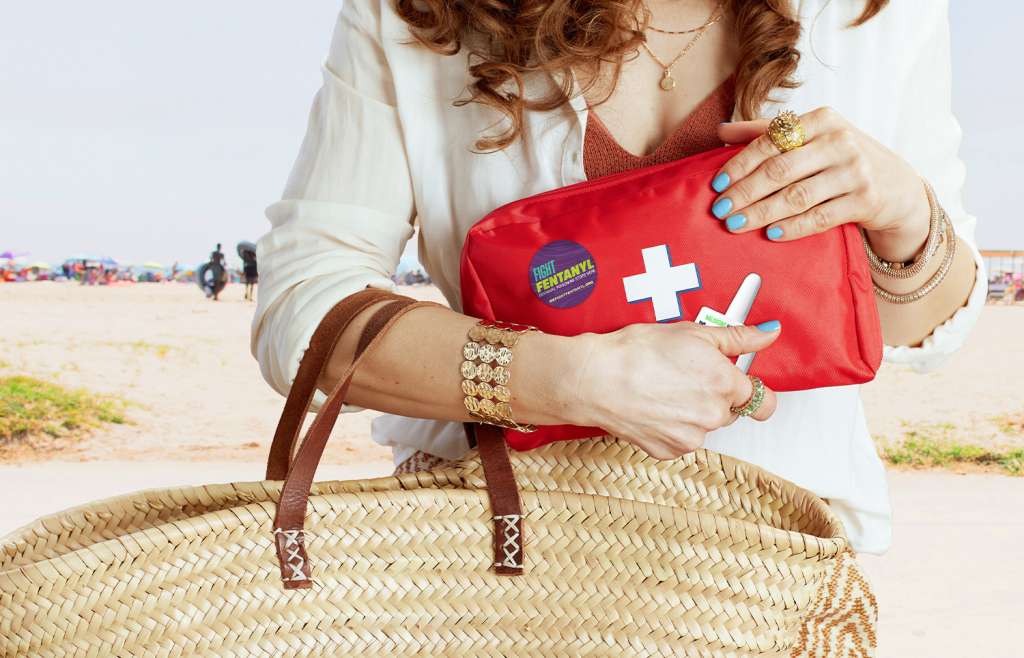
An overdose response kit is simple to put together and easy to carry in a backpack, glove compartment, purse, or travel bag. Having one on hand can help you respond calmly and quickly in an emergency.
A basic kit should include:
- Naloxone (Narcan)
- Disposable gloves
- A rescue breathing mask
- Step-by-step overdose response instructions
- Emergency contact information
Just like a first aid kit, these supplies are there in case you ever need them, not because you expect something bad to happen.
Recovery Looks Different for Everyone
Prevention and response are only part of the conversation. Recovery and long-term support matter too.
We believe people deserve access to multiple pathways to recovery, because no single approach works for everyone. Some individuals may seek treatment through clinical programs, while others find healing through faith-based support, mentorship, or community-centered recovery. There are a variety of resources right in our community from places such as Northbound & Co. and the Wesleyan Church.
Our newest episode of the Dose of Reality podcast highlights this important conversation through a discussion featuring the Wesleyan Church’s recovery program. Every organization offers a different type of support, reminding individuals and families that there are options available no matter where they are in their journey.
What matters most is helping people take the next step toward support, connection, and hope.
A Community-Focused Approach to Safety
Overdose preparedness is not about fear; it’s about looking out for one another. Summer should be a time for making memories, enjoying community, and spending time with the people we care about. Taking a few extra steps to stay prepared helps ensure more people make it home safely.
This season, consider adding overdose response supplies to your summer routine. Talk openly with your family and friends about fentanyl awareness. Learn how to use naloxone. Share resources with others.
Preparation saves lives, and communities grow stronger when we choose to protect one another.